New Opportunities are now posted and registration will open April 1, 2026.
Please note: registration is for Youthfully students only. Click here to enrol and get your top project pick before they fill up!
Select & Register For Your Internship

Animation Technology | Creative Entrepreneurship | Digital Creation Tools | Market Expansion
How might Alchemy VFX transform a successfully funded pilot program into a scalable and revenue-generating creative technology product for young creators?
 Alchemy VFX – Business Model Strategy
ABOUT THE PROJECT
In partnership with Netflix and DigiBC, Alchemy recently launched DigiCamp: Animation Magic, a creative technology experience where young students explore visual effects by designing wizard characters, creating magical effects, and producing short animated clips using a custom-built Unity application.
The camps served as the first real-world launch of the concept. Because DigiCamp programs are funded by partners such as DigiBC, the sessions were offered to families at no cost. This made it easy to attract participants and test the experience with real students. The program generated strong engagement and positive feedback from both students and parents.
However, the funded DigiCamp model relies on limited sponsorship and may not continue indefinitely. The long-term opportunity for Alchemy is to evolve this experience into a revenue-generating product or program that can operate independently of grant funding.
In this project, you will explore how Alchemy VFX could build on the success of the pilot to develop a scalable and sustainable creative technology offering for young creators.
DESIRED OUTPUT
Your work should result in a clear strategy outlining how Alchemy VFX could build on the success of the DigiCamp Animation Magic pilot to develop a scalable creative technology product for young creators.
Start with Level 1, which includes the core deliverables.
Level 2 is optional and allows you to explore the opportunity in more depth.
Level 1 Outputs
Pilot and Product Assessment
Analyze the DigiCamp Animation Magic pilot and the creative technology experience it introduces.
Your work should:
- analyze the key elements of the pilot experience
- identify what appears to be working well
- identify key challenges or unknowns that must be solved before scaling
Business Model Exploration
Propose 2–3 potential business models for expanding the DigiCamp Animation Magic experience beyond the initial pilot.
Your work should explain:
- who the customer would be
- how revenue would be generated
- how the experience could operate at scale
- what resources would be required
Product Growth Strategy
Recommend a strategy for how Alchemy VFX could develop and grow this opportunity.
Your work should outline:
- the most promising path forward
- key steps required to move from pilot to larger rollout
- the people, partnerships, or resources that may be required
Level 2 (Optional)
Extend your strategy by exploring one of the following areas in greater depth.
Examples could include:
- a phased rollout plan for expanding the experience to new audiences
- potential distribution channels for reaching young creators
- an analysis of the competitive landscape for creative learning tools
- risks and challenges associated with scaling the product
The goal is to explore how your recommended strategy could realistically be implemented.
RESOURCES, TOOLS, & OTHER INFORMATION
The Alchemy team can provide additional content and context about the product and the experience upon request. |
ABOUT THE ORGANIZATION
Alchemy VFX is a Canadian animation and visual effects studio that develops creative digital experiences for games, film, and interactive media. The studio’s founder previously worked at Electronic Arts before launching Alchemy to explore new ways of combining storytelling, animation, and technology.
In collaboration with partners including Netflix and DigiBC, Alchemy has also begun developing interactive learning experiences that introduce young creators to animation and visual effects through hands-on digital tools.

Physiotherapy | Rehabilitation | Health Research | Recovery Framework | Holistic Health
How might we design a recovery support framework that helps clients understand, follow, and benefit from between-session exercises and practices?
 Brianna Grace Wellness – Health
ABOUT THE PROJECT
| Many healthcare and wellness treatments depend on what happens between appointments. Practitioners often recommend exercises, movement practices, or body awareness techniques that clients should continue at home. However, clients may forget instructions, misunderstand the purpose of the exercises, or struggle to stay consistent.Research across many areas of health care shows that patient adherence to recommended exercises and recovery practices can significantly affect outcomes.At Brianna Grace Wellness, clients are often given guidance to practice between sessions, but these recommendations are currently shared informally through conversation or handwritten notes.A clearer recovery support framework could help clients understand why exercises matter, how to perform them correctly, and how to stay consistent between sessions.In this project, you will step into the role of a health science researcher and patient experience designer.Your goal is to design a system that improves how clients understand and engage with their recovery practices between sessions. |
DESIRED OUTPUT
Your task is to design a Client Recovery Support Framework that helps Brianna Grace Wellness deliver clearer and more effective guidance between sessions.
Your work should focus on improving how clients understand their exercises, stay consistent with their recovery practices, and track progress between appointments.
Note: Start with Level 1. These are the core deliverables.
Level 2 is optional and allows you to explore additional ideas.
Level 1 (Core)
Your submission should include:
Recovery Guidance Framework
Design a structured way for practitioners to communicate recovery exercises or practices to clients after a session.
Your framework should consider how:
- exercises are explained clearly
- the purpose of each exercise is communicated
- instructions are structured so that clients can follow them independently
The goal is to make recovery guidance easy to understand and revisit between sessions.
Client Adherence Challenges
Identify common reasons clients may struggle to follow recovery guidance between sessions.
For example:
- forgetting instructions
- uncertainty about technique
- difficulty building a consistent routine
- lack of motivation or reminders
Using light research where helpful, explain how these challenges could affect recovery and propose ways to reduce them.
Progress Tracking
Design a simple way clients could track their recovery practices between sessions.
This might include:
- a progress log
- short reflection prompts
- ways to track consistency or improvements
Your system should help both the client and practitioner better understand how recovery is progressing over time.
Level 2 (Optional)
Explore how insights from psychology and behavioural science could increase the likelihood that clients follow recovery practices bewteen sessions.
Using concepts such as habit formation, patient adherence, and behaviour change, propose strategies that could help clients stay consistent with their exercises.
Where relevant, reference research or established frameworks related to behaviour change.
RESOURCES, TOOLS, & OTHER INFORMATION
|
ABOUT THE ORGANIZATION
Brianna Grace Wellness is a small wellness practice that supports women through the changes associated with pregnancy, postpartum recovery, and pelvic health.
Through personalized one-on-one sessions, the practice helps clients address pelvic discomfort, postpartum recovery, and other physical challenges that can emerge during pregnancy and early motherhood.
As a newly established solo business, Brianna Grace Wellness is focused on building a strong and sustainable foundation while continuing to provide thoughtful, individualized care to its clients.

Product Innovation | Consumer Insight | Outdoor Lifestyle Strategy | Retail Expansion
How might we design the next products that outdoor dog owners would bring on adventures with their dogs, beyond the current bar format?
 Fraps Institute
ABOUT THE PROJECT
Many dog treats are designed for everyday use at home, but far fewer products are designed with outdoor adventures in mind.
FRAPS was created to address this gap by developing portable snacks designed for dogs joining activities such as hiking, camping, trail running, and skiing. The brand is currently carried in approximately 15 outdoor retailers, along with a smaller number of pet specialty stores and retailers such as coffee shops and gift shops. At the moment, FRAPS products focus on a snack bar format.
As the company grows, an important opportunity is identifying additional product formats that fit naturally into outdoor adventures while also working well across different retail partners.
In this project, you will step into the role of a consumer product strategist helping FRAPS explore new product opportunities for active dogs and their owners.
DESIRED OUTPUT
Your task is to develop a product opportunity strategy for FRAPS.
The goal is to understand how outdoor dog owners include their dogs in adventures and identify new product formats that could support those experiences.
Note: Start with Level 1. These are the core deliverables.
Level 2 is optional.
Level 1 (Core)
Your submission should include:
Outdoor Dog Adventure Research
Research how people include their dogs in outdoor activities such as:
- Hiking
- Camping
- Trail running
- Climbing
- Skiing
Focus on:
- what gear people bring for their dogs
- when snacks or treats are used
- how dogs are rewarded during activities
Your goal is to understand how owners include their dogs in outdoor adventures.
Competitive Landscape
Analyze brands operating at the intersection of:
- pet products
- outdoor gear
- adventure nutrition
Identify how these brands position their products and where FRAPS could differentiate.
Retail Context Analysis
Analyze the retail environments where FRAPS products are currently sold. A few local:
- outdoor retailers
- pet specialty stores
- coffee shops and gift retailers
Consider:
- which products work best in each setting
- how customers discover products
- what formats or price points may fit best
Adventure Moment Mapping
Map key moments during an outdoor adventure where dog products could naturally be used. Think about moments when owners might naturally reward their dog based on behaviours they are already reinforcing.
Examples may include:
- before starting an activity
- during breaks
- at the summit or destination
- after completing the activity
Level 2 (Optional)
Propose three new product ideas or formats that FRAPS could launch beyond the current bar format.
Consider constraints such as:
- portability
- durability in outdoor conditions
- ease of carrying on adventures
- clean ingredients aligned with the brand
For your top idea, create a simple packaging or presentation concept that fits FRAPS’ existing branding.
RESOURCES, TOOLS, & OTHER INFORMATION
- Fraps Website
- Outdoor Industry Association — Outdoor Participation Trends
Provides insights into how people participate in outdoor activities and how those trends are evolving. - Pet Industry Joint Advisory Council of Canada
Offers insights into the Canadian pet industry and consumer behaviour. - Mountain Equipment Company (MEC)
A major Canadian outdoor retailer whose product categories can help students understand how outdoor gear and adventure products are positioned. - American Pet Products Association
Industry reports and data on pet ownership and spending patterns.
ABOUT THE ORGANIZATION
FRAPS is a Canadian pet brand focused on creating clean, adventure-ready snacks for dogs.
Founded in Squamish, British Columbia, the company was inspired by the idea that dogs are active companions in outdoor adventures. Whether hiking, trail running, climbing, or skiing, many outdoor enthusiasts bring their dogs along for the experience.
FRAPS creates simple, portable nutrition designed specifically for those shared adventures. The brand emphasizes clean ingredients, functional nutrition, and products that fit naturally into outdoor lifestyles.

Drone Systems | Search & Rescue | Robotics | Emergency Response
How might we design a backpack-deployable drone system that allows ski patrol teams to quickly locate and mark individuals buried in an avalanche?
 Osprey Integrity
ABOUT THE PROJECT
| Avalanche rescue is extremely time-sensitive. Survival rates drop significantly after the first 15 minutes, making rapid search and location critical.
Today, search efforts rely heavily on manual methods such as avalanche transceivers, probe lines, and trained rescue dogs. While these methods can be effective, they require time, physical coordination, and close proximity to the search area. Osprey is exploring a concept where ski patrol teams carry a backpack-based system capable of deploying a drone directly at the avalanche site. Instead of launching from a distant base, the drone could be deployed immediately by responders already on scene. The goal of the system is to help patrol teams quickly scan the avalanche area, identify potential human locations, and mark those locations clearly so rescuers can act immediately. In this project, you will step into the role of an engineering designer helping explore what this system could look like. Your task is to design a concept for a backpack-deployable drone system that can operate in harsh mountain environments while remaining lightweight, fast to deploy, and easy for ski patrol teams to use in high-pressure rescue situations. This system aims to reduce the need for time-consuming manual search by helping rescuers identify likely burial locations before they begin probing the snow. |
DESIRED OUTPUT
| Your task is to design a concept for a mobile avalanche response system built around a backpack-deployable drone.
You will analyze the rescue problem, propose a drone system architecture, and explain how the system would operate from the moment ski patrol arrives on scene through identifying and marking potential rescue targets. Start with Level 1, which includes the core deliverables.
Level 1 OutputsYour submission should include: Avalanche Rescue WorkflowExplain how avalanche rescue currently works and where delays typically occur. Then outline a step-by-step workflow showing how your drone system would fit into the rescue process from arrival on site to locating and marking buried individuals. Drone System and Deployment ConceptDesign the core drone system. Consider:
Explain why your design choices make sense for avalanche rescue conditions. Include how the drone integrates with the backpack system and is deployed quickly in a rescue scenario. Beacon Detection and Sensing ApproachRecommend how the drone system could detect buried individuals using avalanche transceiver signals. Avalanche rescue systems use transceivers that transmit at a standardized frequency (457 kHz). Your task is to explain how a drone-based system could detect and interpret these signals from the air. Consider:
You may also briefly explore additional sensing methods (such as thermal imaging), but your primary focus should be on transceiver-based detection. Explain the strengths and limitations of your approach. Location Marking SystemExplain how the drone would mark or communicate the location of potential victims so ski patrol teams can respond quickly. Examples may include:
Explain how rescuers would use this information during the rescue process.
Level 2 (Optional)Take your design further by developing a system concept visualization. This could include:
The goal is to show how your design could realistically function in the field. |
RESOURCES, TOOLS, & OTHER INFORMATION
- Avalanche Canada – Rescue Resources
Provides background on avalanche rescue procedures and safety practices. - RECCO Rescue System
An avalanche rescue technology used by ski patrol teams to locate buried individuals. - DJI Enterprise Drones
Examples of professional drone platforms and payload capabilities. - NASA Search and Rescue Technology Overview
Background on sensor technologies used in search and rescue operations. - Avalanche Transceiver Technology Overview
Explains how avalanche beacon systems work and how rescuers locate buried victims.
ABOUT THE ORGANIZATION
Osprey Integrity is a Canadian company that uses drones to collect aerial data and perform infrastructure inspections.
Since 2018, the company has worked with industries such as energy and utilities to inspect facilities using drones equipped with advanced imaging sensors. This allows inspections to be completed more safely and efficiently than many traditional methods.
Osprey’s team combines experience in aviation, industrial inspection, and drone operations. As drone and sensor technologies continue to evolve, the company is exploring how these systems could also support search and rescue operations, including avalanche response in mountainous environments.

Structural Engineering | Site Constraints | Golf Infrastructure | Materials & Construction
How might we engineer a year-round golf training facility that builds on the course’s existing driving range to elevate the player experience and extend the usable season?
 Shuswap Lake GC – Engineering
ABOUT THE PROJECT
| The weather significantly limits how often many golf practice facilities can be used in this region. Rain, winter snowfall, and other weather reduce the number of days players can use the driving range and restricts the availability and predictability of lessons.
Covered practice facilities have become a popular option to extend the season and offer members more opportunities to use their membership. However, designing these facilities requires thoughtful engineering. Structures must withstand environmental conditions while integrating with the existing course layout and maintaining a safe, enjoyable practice environment. Shuswap Lake Golf Course is exploring what a modern training facility could look like if built on top of its existing range infrastructure. In this project, you will step into the role of an engineering consultant helping the course explore a concept for a year-round golf training facility. Your work will consider both the structural design of the structure and how it could enhance the overall experience for members and staff. Your goal is not to produce detailed construction drawings. Rather, your objective is to develop a well-reasoned engineering concept that could guide a future facility project. |
DESIRED OUTPUT
Your task is to design a conceptual engineering proposal for a covered golf training facility that could allow Shuswap Lake Golf Course to operate a year-round practice facility.
Note: Start with Level 1. These are the core deliverables.
Level 2 is optional.
Level 1 (Core)
Your submission should include:
Engineering Concept Design
- A proposed layout for a covered training facility built around the existing 10 driving range stalls
- Whether your design expands, reorganizes, or enhances the current range layout
- How players move through and use the space
Structural Concept
- The type of structure you propose (materials, support system, roof design, etc.)
- How the structure protects players from weather while maintaining visibility and comfort
Design Constraints
Identify the key constraints your design must address. These may include:
- Environmental conditions such as rain and snowfall
- Structural durability and long-term maintenance
- Safety considerations for golfers, instructors, and surrounding course areas
- Integration with the existing range layout
Player Experience
Explain how your design improves the practice environment for golfers. Consider:
- Usability and enjoyment
- lesson delivery
- practice efficiency
- overall experience
Engineering Rationale
Explain the reasoning behind your design decisions and the tradeoffs involved, such as durability, cost, usability, and construction feasibility.
Level 2 (Optional)
Take your design further by including one or more of the following:
- A simple 3D model or CAD concept of your structure
- Structural considerations such as snow load or wind resistance
- A rough construction or cost estimate
- Additional features such as lighting, heating, or sustainability considerations
The goal is to demonstrate deeper engineering thinking and show how your design could realistically be implemented.
RESOURCES, TOOLS, & OTHER INFORMATION
- Golf Course Website
- Driving Range Dimensions: 90 feet x 18 feet
- Example Covered Driving Range Design
- Golf Practice Facility Design Overview
- Snow Load Design Basics (Canada)
- Simple CAD Tools
ABOUT THE ORGANIZATION
Shuswap Lake Golf Course is a community-focused golf facility in British Columbia. Like many regional courses, it aims to balance seasonal weather challenges while still delivering a high-quality experience for members.
Practice facilities are a core part of that experience. They allow members to improve their skills, support lesson programs run by teaching professionals, and provide an accessible way for new golfers to begin playing the sport.
The course currently operates a 10-stall driving range that is heavily used during peak season for both member practice and lessons.

Commercial Strategy | AI Law | Contract Design | Negotiation
How might we help Law Plus to advise a growing AI software company on its approach to a multi-year enterprise licensing agreement so it can close an important deal, while protecting its intellectual property, pricing power, and long-term strategic position?
 Law Plus
ABOUT THE PROJECT
| Law Plus is advising an early-stage technology company negotiating an enterprise SaaS agreement with a larger customer.
These negotiations often involve a difficult balance. Companies want to secure important revenue opportunities, while enterprise customers often push for terms that expand their rights and limit the vendor’s flexibility. Clauses related to intellectual property, data usage, liability, termination, and pricing can significantly affect a company’s long-term position if they are poorly structured. In this project, you will step into the role of a legal advisor supporting Law Plus in evaluating how the client should approach the agreement. Your task is to identify which terms matter most, recommend how the company should approach the negotiation, and explain how it can balance protecting its long-term position with securing an important commercial opportunity. |
DESIRED OUTPUT
| Your task is to analyze the proposed agreement and develop a deal strategy for the company.
You will identify the most important risks in the contract, propose improvements to key clauses, and explain how the founder should approach negotiating the agreement. Start with Level 1, which includes the core deliverables expected from all students. Level 2 is optional and allows you to explore negotiation strategy in greater depth.
Level 1 OutputsKey Risk AssessmentIdentify the five most important risks in the proposed agreement. For each risk explain:
Your goal is to demonstrate judgment about which issues matter most in the deal. Recommended Deal StructureSelect three clauses from the agreement that you believe require the most attention. For each clause include:
Your goal is to show how the structure of a clause can shift leverage in a commercial agreement. Founder Advisory MemoWrite a short memo advising the startup founder on how to approach this deal. Your memo should cover:
Write this memo for a smart founder without legal training, focusing on the business implications of the legal terms.
Level 2 Output (Optional)Negotiation Strategy BriefChoose two clauses and explain how the company should approach negotiating them. Your brief should include:
Consider what LexCorp’s legal team will say in response to your position. For example, a large enterprise customer pushing back on data usage restrictions might argue that the limitation conflicts with their internal data governance policies, or that they require broad rights as a condition of procurement approval. Ground your fallback position and non-negotiables in that kind of pushback. |
RESOURCES, TOOLS, & OTHER INFORMATION
- Additional Details for this Project (Important!)
- Sample SaaS Agreement (Creative Force)
Real-world SaaS contract to analyze so you can identify issues and understand how agreements are actually structured. - SaaS Contracts in Ontario: Essential Terms and Best Practices
Provides context around Ontario-specific legal risks like data privacy, liability, and enforceability so you are clear on the real jurisdiction you’re working within. - 7 Must-Have Elements in a SaaS Agreement
Provides a clear checklist of key clauses so you can prioritize what matters most when reviewing and revising the agreement. - SaaS Contract Law in Canada – Primer
Helps you understand the core structure and logic behind SaaS agreements so you can move beyond surface-level edits to deeper reasoning. - Canadian SaaS License Agreement Templates (Genie AI)
Allows you to compare different clause approaches and improve your revisions by referencing how similar agreements are written in practice.
ABOUT THE ORGANIZATION
| Law Plus is a modern legal services firm that advises organizations on commercial agreements. The firm helps clients structure contracts strategically so they can manage risk, protect their interests, and conduct business with confidence.
Many organizations enter into important commercial agreements that shape how they operate, grow, and compete. These deals can unlock revenue, partnerships, and new market opportunities. At the same time, poorly structured terms can quietly expose a company to risk, weaken its negotiating position, or limit its flexibility in the future. Law Plus works alongside clients to help them understand what truly matters in an agreement, where risks may be hidden, and how to structure terms that support their long-term objectives. |

Future of Law | AI & Data Consulting | Strategic Decision-Making | Client Acquisition Strategy
How might we identify where AI will create real competitive advantage in legal services over the next 12–24 months and design a consulting playbook to win clients?
 PRAKTIKAI
ABOUT THE PROJECT
Artificial intelligence is rapidly reshaping how legal services are delivered. From generative AI drafting tools to contract analysis, compliance automation, and litigation support, the structure of legal work is evolving.
Law firms and in-house legal teams face growing pressure to increase efficiency, reduce costs, manage risk, and adopt new technologies responsibly. At the same time, many firms are uncertain about where AI creates true strategic advantage versus short-term experimentation.
PRAKTIKAI is exploring how to deepen its vertical-specific playbooks and strengthen its advisory positioning in legal services. The opportunity is to analyze how AI will realistically reshape legal decision-making in 2026 and the near future, identify where disruption and competitive advantage will emerge, and translate those insights into a practical consulting playbook.
In this project, you will step into the role of an AI strategy consultant. You will analyze AI-driven disruption in legal services and develop a forward-looking but practical roadmap that connects technical capability to commercial strategy.
Your focus should be on realistic transformation over the next 12–24 months, not distant speculation.
DESIRED OUTPUT
Your task is to produce a Legal AI Strategy Report and Consulting Playbook for PRAKTIKAI, the “KAI Case” solution suite.
You will analyze how AI is reshaping legal services and recommend where PRAKTIKAI should focus to win clients over the next 12–24 months.
Note: Start with Level 1. These are the core deliverables.
Level 2 is optional.
Level 1 (Core)
1. Legal AI Shift
Analyze how AI is changing legal services today and how it is likely to evolve over the next 12–24 months.
Your analysis should:
- compare impact across at least two types of legal organizations
- identify where AI is overhyped vs underestimated
- take a clear position on how competitive advantage will change
What we’re assessing:
- Depth of understanding
- Ability to separate signal from noise
- Clarity of position
2. High-Impact Opportunity Areas
Identify 3–5 AI-driven opportunities that could create meaningful advantage in legal services.
For each opportunity, outline:
- the core problem
- why AI matters
- required capability
- expected commercial impact
Be specific and practical.
What we’re assessing:
- Judgment in opportunity selection
- Commercial thinking
- Awareness of real-world constraints
3. PRAKTIKAI Legal Consulting Playbook
Develop a focused playbook outlining:
- how PRAKTIKAI should position itself
- which capabilities to lead with
- how to differentiate
- how to win early clients (e.g., pilot or proof-of-concept)
What we’re assessing:
- Practicality of recommendations
- Competitive thinking
- Feasibility
4. Applied AI Concept
Select one opportunity and show how it would work in practice.
Include:
- a simple system, workflow, or interaction design
- how AI is used within the system
- how it delivers value
What we’re assessing:
- Ability to translate strategy into execution
- Clarity of thinking
- Real-world applicability
Level 2 (Optional)
Take your concept further by creating:
- a simple prototype, wireframe, or interaction flow
- or a lightweight demo using a no-code or AI tool
The goal is to show how your idea could work in practice.
RESOURCES, TOOLS, & OTHER INFORMATION
- PRAKTIKAI Website
- Thomson Reuters – Future of Professionals Report
- Stanford CodeX – Center for Legal Informatics
- Harvey AI
ABOUT THE ORGANIZATION
| PRAKTIKAI is a data and AI consulting firm that helps organizations create measurable value through practical, no-nonsense solutions. The firm works across industries to improve decision-making, operational performance, and strategic clarity using data, analytics, and artificial intelligence.
Rather than focusing on hype, PRAKTIKAI emphasizes clarity, simplicity, and real-world execution. The team brings experience from global consulting firms and enterprise technology leadership roles, working across manufacturing, supply chain, financial services, healthcare, legal services, and startup environments. |

AI Website Building | Growth Strategy | Lead Prioritization | Vibe Coding
How might we design a system that identifies small business websites where a rebuild could meaningfully improve customer acquisition, helping d88 prioritize its outreach and growth efforts?
 d88
d88
ABOUT THE PROJECT
Millions of small business websites exist today, but many were built years ago using outdated templates or assembled quickly with limited attention to messaging, mobile design, or user experience.
For companies trying to grow online, these issues can significantly limit their ability to attract and convert customers.
For a small team like d88, the challenge is not simply finding businesses with websites. The challenge is identifying which businesses would benefit most from rebuilding their site.
In this project, you will step into the role of a product and growth strategist.
Your goal is to design a system that can scan, evaluate, and prioritize websites based on signals that suggest they may benefit from rebuilding or redesign.
Your work should help d88 focus its time on the highest-potential opportunities.
DESIRED OUTPUT
Your task is to design a Website Opportunity Scanner that helps identify small business websites that are most likely to benefit from rebuilding.
Note: Start with Level 1. These are the core deliverables.
Level 2 is optional.
Level 1 (Core)
Your work should include:
Website Opportunity Signals
Identify 6–8 signals that suggest a small business website may be limiting its ability to attract or convert customers.
Using these signals, design a simple scoring system that produces an overall “Website Upgrade Score.”
Examples might include:
- unclear value proposition
- no clear customer action (quote, booking, call)
- weak trust signals (reviews, case studies)
- confusing service structure
- poor search discoverability
Explain why each signal matters and how it could be observed when reviewing a website.
Website Opportunity Workflow
Design a step-by-step process that d88 could use to identify and prioritize opportunities.
Your workflow should outline:
- where potential websites would be sourced
- how each website would be evaluated using your signals
- how opportunities would be prioritized based on potential business impact
The goal is to design a repeatable system, not a one-off list of websites.
Engagement Strategy
Once a promising website is identified, recommend how d88 could approach the company.
Examples might include:
- sharing a short website improvement report
- highlighting a few high-impact issues
- demonstrating how a rebuilt page could improve clarity or performance
Explain why your approach would encourage the business to engage with d88.
Level 2 (Optional)
Prototype part of your Website Opportunity Scanner.
For example, you might:
- test website performance using Google PageSpeed Insights
- examine mobile responsiveness
- extract basic page structure such as headings or call-to-action buttons
Use free tools or simple automation to demonstrate how elements of your system could work.
The goal is not to build a fully automated product, but to show how technology could help scale website evaluation.
RESOURCES, TOOLS, & OTHER INFORMATION
|
ABOUT THE ORGANIZATION
d88 is an AI-powered website builder designed to remove the friction of launching online.
Instead of manually assembling layouts, plugins, and hosting, users simply describe their business and d88 generates a complete website in minutes.
The platform is primarily used by small business owners and founders launching new ventures who want to create a professional website quickly without needing design or technical expertise.
As AI tools make it easier to build websites, the opportunity is shifting toward identifying where businesses could benefit from rebuilding or improving their online presence.
Embedded Systems | IoT Architecture | Technical Writing | Engineering Research
How might we create clear, high-quality technical content that helps engineers and product teams better understand embedded systems, battery management systems, and IoT product development?
 CircuitWare – Systems Research
ABOUT THE PROJECT
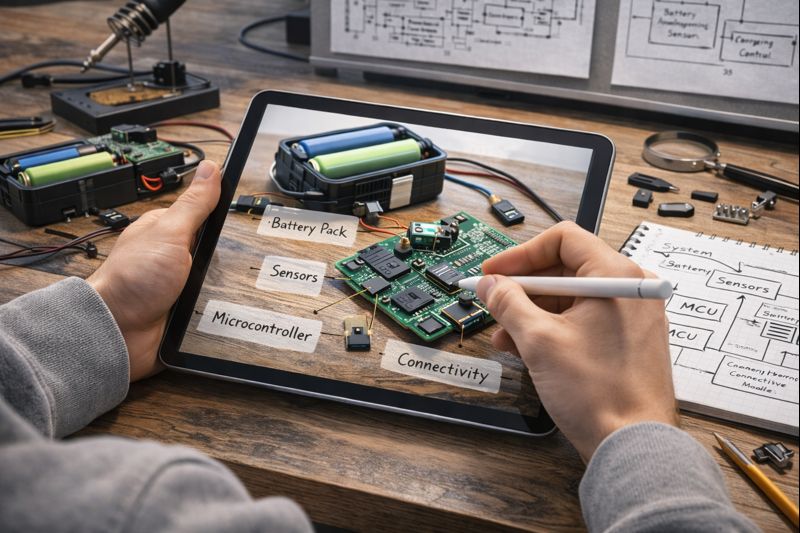
In this project, you will develop technical content that explains important concepts in embedded systems and hardware product development.
CircuitWare works on engineering challenges related to areas such as battery management systems (BMS), embedded firmware, and IoT device architecture. Many companies and engineers are interested in understanding how these systems work, but the topics can often be difficult to explain clearly.
Your work will focus on translating complex engineering topics into clear, well-structured technical articles that help readers understand how these technologies work and why they matter.
You will also explore how technical ideas can be communicated effectively using diagrams, examples, and simple visual explanations.
DESIRED OUTPUT
| Your work should result in a set of clear technical articles that explain important concepts in embedded systems, IoT devices, and hardware product development.
Start with Level 1, which includes the core deliverables.
Level 1 OutputsTechnical ArticlesDevelop 2 technical articles (approximately 800–1,200 words each) explaining topics related to embedded systems and hardware product development. Topics may include areas such as:
Deliverables should include:
Visual ExplanationCreate simple visuals that help explain the technical concepts discussed in your articles. Examples may include:
These visuals should make it easier for readers to understand how the technology works. Technical ExplanationWrite a short explanation describing the reasoning behind your article topics and approach. Your explanation should describe:
Level 2 (Optional)Extend your work by exploring additional ways technical content can be used to communicate engineering ideas. Examples could include:
The goal is to explore how technical content can be used to communicate engineering knowledge to a broader audience. |
RESOURCES, TOOLS, & OTHER INFORMATION
- CircuitWare Website
Learn about the types of hardware systems the company helps design. - SparkFun Electronics Tutorials
Educational guides explaining electronics and embedded system concepts. - Adafruit Learning System
Tutorials covering sensors, microcontrollers, and connected devices. - AWS IoT Architecture Overview
Overview of how connected devices interact with cloud services. - draw.io Diagram Tool
Free tool students can use to create system architecture diagrams.
ABOUT THE ORGANIZATION
| CircuitWare Inc. is a technology company that helps businesses design and build electronic products. The team works with clients to develop hardware devices, embedded firmware, and supporting software that bring new products to market.
Many modern products rely on embedded systems, which combine sensors, circuit boards, firmware, and wireless connectivity to collect data and interact with the physical world. These technologies power devices such as smart home products, wearable technology, and industrial monitoring systems. CircuitWare often works with founders and product teams who want to build connected devices but may not fully understand how the technology works or how the system architecture fits together. |

App Publishing | Mobile Development | Unity | Product Launch
How might Alchemy VFX publish and distribute its Unity-based animation app so it can be sold and used by families beyond the current pilot program?
Alchemy VFX – App Store Launch
ABOUT THE PROJECT
During DigiCamp: Animation Magic, children use a custom interactive animation app to design wizard characters and experiment with magical visual effects. The app allows students to create characters, adjust visual elements, and explore animation concepts through simple interactive tools.
The application was built using the Unity game engine and currently runs on Android tablets used during the camps. At the moment, the app is not publicly available. Instead, it is installed manually onto devices using development builds generated within Unity.
After the first round of camps, several parents asked whether their children could continue using the app at home. This raises an important opportunity for the Alchemy team: transforming the current prototype into a product that families could access outside of the camp environment.
In this project, you will identify and evaluate the most viable pathway for publishing and distributing the app. Your work will help the Alchemy team understand the possible pathways for making the app available to families, the requirements associated with each option, and what it would take to launch the product publicly.
DESIRED OUTPUT
Your work should help the Alchemy team understand how a Unity-based application could be distributed to customers and what would be required to launch the product beyond the current pilot environment.
Start with Level 1, which includes the core deliverables.
Level 2 is optional and allows you to explore additional distribution platforms.
Level 1 Outputs
App Publishing and Distribution Options
Research the different ways an independent developer might publish and sell a Unity-based application.
Your work should explore:
- major app distribution platforms (such as Google Play Store)
- other platforms where interactive apps or games can be distributed
- whether an app can be distributed directly outside of traditional app stores
- how licensing, piracy protection, and user access are typically managed
- how developers deliver updates to users after release
- the typical costs, fees, and requirements associated with different publishing approaches
The goal is to create a clear overview of the main pathways available to an independent developer releasing an app.
Platform Release Plan
Based on your research, recommend the most viable distribution pathway for Alchemy’s app and outline what would be required to implement it.
Your work should explore:
- developer account requirements
- build formats required for submission
- testing and quality requirements
- security and permissions considerations
- the publishing and review process
- estimated timelines and steps involved
The goal is to help the Alchemy team understand what it would take to move from the current prototype to a publicly downloadable product.
Implementation Considerations
Identify the key factors Alchemy would need to address before publishing the app.
Your work should outline:
- technical considerations
- potential challenges or risks
- an approximate timeline for preparing the app for release
- skills, tools, or resources that may be required
The goal is to help the team understand the practical steps involved in launching the app.
Level 2 (Optional)
Extend your analysis by exploring what would be required to distribute the app on additional platforms, such as Apple’s App Store for iPad or other digital distribution channels.
Your work could include:
- differences between Android and iOS development environments
- Apple developer program requirements
- iOS build and testing processes
- additional design or compatibility considerations
The goal is to evaluate how expanding beyond Android would affect the development and release process.
RESOURCES, TOOLS, & OTHER INFORMATION
The Alchemy team can provide additional context regarding the app and the camp experience if helpful, including photos of students using the product, details about how the Unity project is structured, and the Android devices currently used. |
ABOUT THE ORGANIZATION
Alchemy VFX is a Canadian animation and visual effects studio that creates digital experiences combining storytelling, animation, and interactive technology. The studio’s founder previously worked at Electronic Arts before launching Alchemy to develop new creative tools and educational experiences.
As part of a collaboration with Netflix and DigiBC, Alchemy developed a custom interactive app used during DigiCamp: Animation Magic, a creative technology experience that introduces children to animation and visual effects.
The app allows students to design wizard characters and experiment with magical visual effects using simple creative tools. It currently serves as the core creative technology used during the pilot camps.

Digital Product Strategy | Coaching Experience | Member Engagement | Golf Operations
How might we design a digital golf coaching platform that helps golfers easily discover, book, and pay for lessons while giving the course better visibility into instructor schedules and lesson demand?
 Shuswap Lake GC – Coaching Platform
ABOUT THE PROJECT
Many small sports facilities still rely on manual systems to manage lesson scheduling and coaching programs. While these systems can work at a small scale, they often become harder to manage as demand grows.
At Shuswap Lake Golf Course, lesson scheduling currently happens through the golf shop. Golfers contact the shop, staff coordinate availability with instructors, and bookings are tracked manually. During peak season, the course delivers roughly 14–20 lessons per week across two teaching professionals.
This process works, but it creates extra coordination between golfers, instructors, and staff. It also makes it harder to clearly track lesson demand, manage instructor schedules, and streamline payments.
The course is exploring how a simple digital coaching platform could make lessons easier for golfers to discover, book, and experience. A well-designed platform could allow golfers to explore lesson options, see instructor availability, and book sessions online, while giving the course better visibility into schedules, lesson activity, and demand.
In this project, you will step into the role of a software engineer helping design a practical digital platform that improves how lessons are scheduled, managed, and experienced by both golfers and coaches.
DESIRED OUTPUT
| Your task is to design a digital golf coaching platform that improves how lessons are discovered, booked, and delivered at Shuswap Lake Golf Course.
The platform should make it easy for golfers to explore lesson options, book sessions with instructors, and manage payments online. At the same time, it should give the course clear visibility into instructor schedules, lesson demand, and coaching activity. Note: Start with Level 1. These are the core deliverables.
Level 1 (Core)Your submission should include: Platform Feature DesignDescribe the core capabilities your coaching platform should include. Examples might include:
You may also propose additional features that would improve the coaching experience for golfers or instructors. Explain which features matter most and why. User ExperienceExplain how golfers, instructors, and course staff would interact with the platform. Consider:
You may present this as user flows, interface sketches, or a structured walkthrough of the platform. Platform ArchitectureDescribe how your platform could realistically work from a technical perspective. For example:
Clarity and practicality matter more than technical complexity.
Level 2 (Optional)Take your concept further by building or demonstrating part of the platform. Examples could include:
The goal is not a full production system, but a working demonstration of how your coaching platform could function. |
RESOURCES, TOOLS, & OTHER INFORMATION
- Golf Course Website
- Glide (No-Code App Builder)
- Bubble (No-Code Platform)
- Calendly Product Experience (Example)
- Simple Database Design Basics
ABOUT THE ORGANIZATION
Shuswap Lake Golf Course is a community-focused golf club in British Columbia offering an 18-hole course, practice facilities, and coaching programs for players of all levels. We serve a mix of regular members and casual players and are known for providing a welcoming, accessible environment where golfers can improve their game.
While we offer lessons and coaching support, much of the experience is still delivered in person and varies depending on the coach and session. We’re exploring how a digital platform could enhance how coaching is delivered, helping golfers track progress, stay engaged between sessions, and get more value from their time at the course.
Product Strategy | Monetization | Retention & Growth | AI-Powered Coaching
How might we design an AI-powered coaching experience that turns insight into consistent user action and increases long-term engagement and commitment to a paid 3-month program?
 Lifemap HQ
ABOUT THE PROJECT
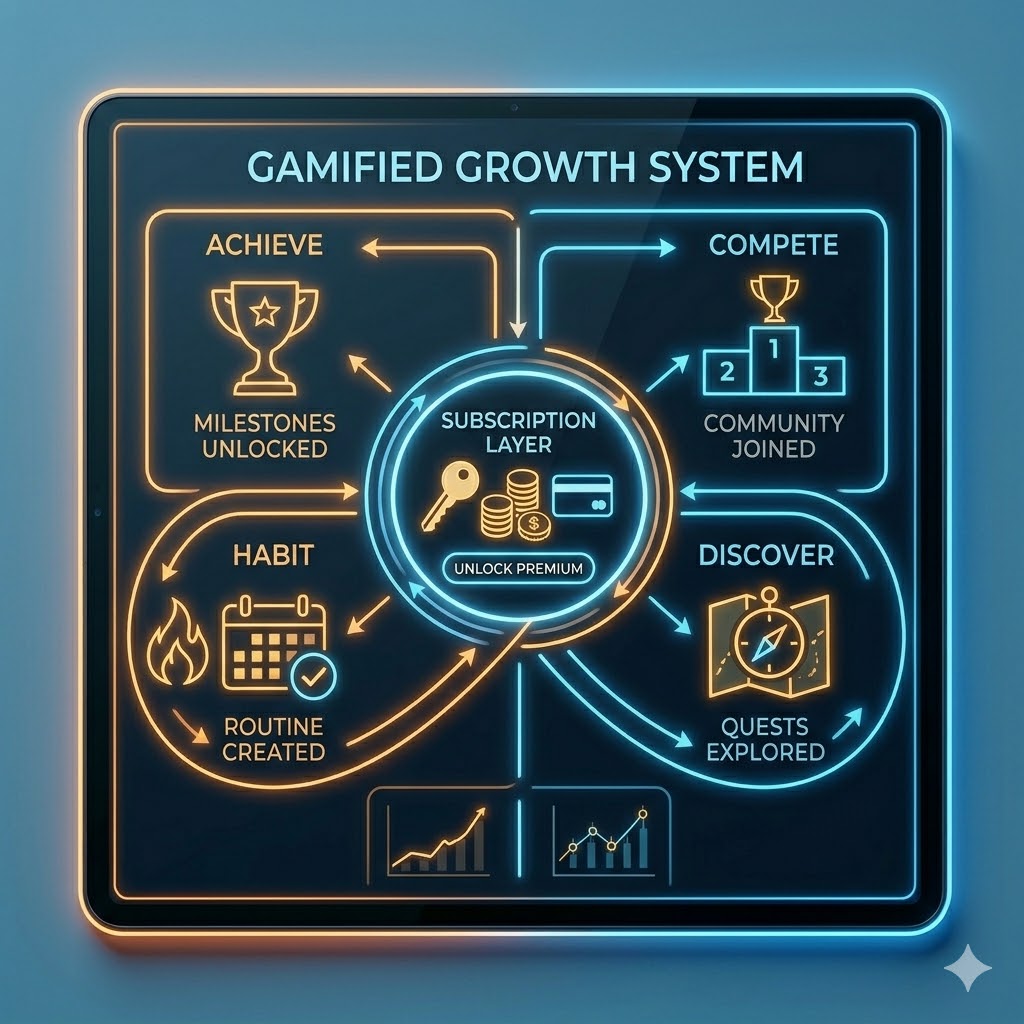
| Life Map HQ has built a strong foundation by generating detailed, personalized reports based on user input. These reports provide meaningful insight into a user’s strengths, challenges, and areas for growth. However, two critical issues have emerged.
First, users often feel overwhelmed by the volume and depth of information. Second, even when insights are valuable, users struggle to translate them into consistent action. As a result, engagement drops quickly, limiting retention and reducing the likelihood of users committing to a paid experience. This is a common challenge across AI-powered products. Insight alone does not drive retention or revenue. The real value comes from designing an experience that consistently drives action, builds momentum, and makes progress visible over time. In this project, you will step into the role of a product strategist. Your task is to redesign the Life Map experience so that it not only delivers insight, but creates a system that keeps users engaged, encourages follow-through, and increases the likelihood of users committing to a paid program. |
DESIRED OUTPUT
| Your task is to create an AI Product Strategy Report that redesigns Life Map’s experience to improve engagement, retention, and conversion into a paid program.
Note: Start with Level 1. These are the core deliverables. Level 2 is optional.
Level 1 (Core)Your work should result in a clear, structured plan for how Life Map can turn insight into sustained user action, long-term engagement, and conversion into a paid program. The goal is to design an experience that keeps users engaged, shows clear progress, and builds enough value for them to commit to a paid program. Competitive Product AnalysisResearch 4–6 platforms in one or more of the following categories:
For each, analyze:
Focus: Identify what actually drives retention, not just features. Engagement & Retention SystemDesign a clear system for how Life Map should deliver value over a 3-month user journey. Your proposal should outline:
You may present this as:
Focus: Consistency, progression, and clarity. Progress & Value Feedback SystemDesign a system that helps users clearly see their progress and feel that the product is working. Your proposal should include:
Focus: Make progress visible and meaningful.
Level 2 (Optional)Take your system further by developing a conversion and monetization layer. Your work should include:
You may also include:
The goal is to show how strong product design connects directly to revenue and long-term user value. |
RESOURCES, TOOLS, & OTHER INFORMATION
|
ABOUT THE ORGANIZATION
Life Map HQ is building an AI-powered coaching platform designed to help users navigate major life transitions and make consistent progress over time.
Many users are navigating changes such as career shifts, evolving identities, or uncertainty about what they want next. The platform supports them by combining structured reflection with personalized guidance, helping users better understand their current situation and identify areas for growth.
Today, Life Map uses a detailed intake process to generate personalized reports that highlight strengths, challenges, and opportunities across key areas of a user’s life. The goal is to provide users with a clearer sense of direction and a foundation for meaningful change over time.

Go To Market Strategy | Health-Tech | Market Validation | Venture Capital
How might we design a focused go-to-market strategy that helps NerView win early clinical customers and strengthen its case to future investors?
 NERVIEW SURGICAL – GTM [CLOSED]
ABOUT THE PROJECT
Building a new medical technology is complex. Beyond the device itself, we must consider that buying decisions vary depending on the setting, such as hospitals versus Ambulatory Surgery Centers (ASCs), and who is involved. In some cases, surgeons drive adoption. In others, administrators or operators make the final decision.
Beyond cost savings, hospitals and clinics also care about revenue, efficiency, and differentiation. New technology must show how it can improve operating room throughput, enable higher-value procedures, or attract more referrals, without making clinical claims.
In this project, you will take on the role of a go-to-market analyst. Your job is to help NerView understand who to target first, how to communicate value clearly to different decision-makers, and how this strategy supports both early traction and future fundraising.
Think like a founder preparing for their next investor conversation: how does this plan show focus, momentum, and a path to scale?
DESIRED OUTPUT
| Your task is to create a practical, evidence-based go-to-market (GTM) playbook that helps NerView decide how to acquire its first clinical customers and position itself for future fundraising.
You will step into the role of a go-to-market analyst, helping the leadership team understand who to sell to first, what messages will resonate, and how NerveSense can create real economic value for early customers. *Note: Start with Level 1. These are the core deliverables you are expected to complete. Level 2 is optional and allows you to go deeper, challenge yourself, and deliver even more value for the business.
Level 1 (Core)Your Level 1 work should come together as a single, coherent GTM playbook. The goal is not to analyze everything, but to make clear, defensible early-stage decisions. Buyer and Decision-Maker StrategyHealthcare buying decisions vary by setting. Your first job is to decide where and who NerView should focus on first. Step 1: Choose a starting setting
Briefly explain why this setting makes the most sense for an early-stage company. Step 2: Choose a primary buyer
Explain why this role is the most logical early buyer. Value Message and Messaging FrameworkNext, define how NerView should communicate value to this buyer. Your work should include:
You are not making clinical or regulatory claims. Focus on business value and operational impact. Value Creation and Early Customer PrioritizationExplain how NerveSense could create economic value for early customers, such as:
Then, translate this into action:
Level 2 (Optional)In this stretch, you will use your GTM playbook as the foundation for an investment decision. Investor Evaluation ScenarioImagine you are a venture capital investor reviewing NerView. You’ve been approached for $2 million in seed capital. Your task is to evaluate NerView and its potential based on your research and the GTM plan, and decide if the company is investable. Your deck should include:
This should feel like a real VC-style evaluation, not a summary. |
RESOURCES, TOOLS, & OTHER INFORMATION
You do not need to use all of these. These are starting points.
|
ABOUT THE ORGANIZATION
| NerView Surgical is an early-stage medical technology company building NerveSense, a non-invasive system designed to help surgeons visualize nerves during procedures. The goal is to reduce accidental nerve injuries, which can lead to chronic pain, loss of function, and the need for additional treatment for patients.
By giving surgeons better information during procedures, NerView aims to improve patient outcomes while also helping hospitals and clinics reduce complications, follow-up care, and legal and operational risk. |

Medical Careers | AI Support Systems & Automation | Community Moderation | Scalable Design
How might we design an AI system that helps Dr. Interested scale its global community by delivering fast responses across multiple platforms while freeing up the team to focus on higher-impact work?
 Dr. Interested [CLOSED]
ABOUT THE PROJECT
Dr. Interested receives a high volume of questions from students across platforms such as Discord and email, often from users in different time zones engaging with multiple programs at once. These questions often relate to event logistics, application timelines, and how to get involved. Many are repetitive, but responding quickly and clearly is critical to maintaining engagement in a global, fast-moving community.
As the organization continues to grow, the team is increasingly capacity constrained and struggling to keep up with incoming questions. At the same time, not all questions should be handled in the same way. Some can be answered quickly and consistently, while others require more context, judgment, or human interaction.
In this project, you will design an AI-powered support system that helps manage and respond to incoming questions across multiple platforms. You are not expected to build a working product. Instead, your role is to design how the system works in practice: how questions are categorized, how responses are generated, when automation is appropriate, and when human involvement is required.
Your final output should clearly show how this system would work in practice, using diagrams, frameworks, and examples.
DESIRED OUTPUT
| Your task is to design an AI-powered support system that helps Dr. Interested manage student questions across multiple platforms while improving response speed and reducing pressure on the team.
Note: Start with Level 1. These are the core deliverables.
Level 1 (Core)Your work should include: Question Handling SystemIdentify 5–8 common types of questions students ask (e.g., “When is the application deadline?”, “How do I join an event?”, “What are the requirements?”). For each category, include 1–2 example questions to show how it would appear in practice. Using these categories, design a system that determines:
Explain what makes a question suitable for AI vs human support (e.g., complexity, risk, need for judgment). System WorkflowDesign a step-by-step process showing how questions move through the system in practice. Your workflow should include:
The goal is to design a system that is not only logical but practical for a team to use day-to-day. For this section, think diagrams. Tools like Miro can be helpful. Response Design ApproachDefine what a high-quality response looks like. Your work should include:
Explain why your approach would build trust with students.
Level 2 (Optional)Extend your system by showing how it could generate insights from incoming questions. Your work should include:
The goal is to move beyond responding to questions and use them to improve how Dr. Interested supports its community. |
RESOURCES, TOOLS, & OTHER INFORMATION
|
ABOUT THE ORGANIZATION
| Dr. Interested is a youth-led global community helping students explore careers in healthcare, medical research, and advocacy. Through programs like international research competitions, mental health initiatives, and leadership opportunities, the organization supports thousands of students across 100+ countries.
As the community has grown, Dr. Interested has expanded its programming and reach, connecting students through events, mentorship, and collaborative projects. The team is focused on making these opportunities accessible and engaging while continuing to scale its impact globally. |

Sports Management | Mergers & Acquisitions | Marketing Strategy | SaaS
How might we position Uplifter and communicate its value after a complex merger to better attract and convert new customers?
 Uplifter [CLOSED]
ABOUT THE PROJECT
| Mergers and acquisitions are often pursued to create stronger, more competitive businesses. By combining capabilities, products, and customer bases, companies aim to unlock growth that would not be possible independently.
However, one of the most common challenges after a merger is not operational; it is commercial. When multiple products, teams, and ways of working are brought together, it can become difficult for customers to quickly understand what the company offers and why it is different from other options in the market. At the same time, the merger may create real strategic advantages. The combined company may be able to solve problems competitors cannot, serve customers more effectively, or offer capabilities that were previously unavailable. In this project, you will step into the role of a strategy and marketing consultant. Your task is to analyze how the merger changes Uplifter’s position in the sports technology market, identify how the company should differentiate itself from competitors, and design a clear strategy for communicating that value to potential customers. |
DESIRED OUTPUT
| Your work should result in a clear, practical strategy that helps Uplifter communicate its value and generate new customer interest.
The goal is to define how the combined company should position itself in the market, understand how it compares to competitors, and translate that positioning into messaging and customer acquisition ideas. Note: Start with Level 1. These are the core deliverables.
Level 1 OutputsMarket Landscape & Post-Merger PositionAnalyze how the merger changes Uplifter’s position in the sports technology market. Your work should:
Focus: Value Proposition & MessagingDevelop a clear value proposition for 1 target customer personas (persona will be provided). Your work should include:
Your messaging should reflect the competitive positioning identified in your market analysis. Focus: Go-To-Market Execution ConceptsDesign how Uplifter should bring its message to market to attract new customers. Your work should include 2–3 campaign or activation concepts. For each concept, explain:
Focus:
Level 2 (Optional)Take one of your campaign or activation ideas and develop it into a focused go-to-market execution plan. Your work should include:
The goal is to demonstrate how your idea could realistically be implemented and generate results. |
RESOURCES, TOOLS, & OTHER INFORMATION
- Uplifter Website
Explore the platform, customer types, and how the company currently describes its value. - SportTechX – Sports Technology Industry Insights
Market research and analysis on companies building technology for sports organizations. - Strategyzer – Value Proposition Canvas
A widely used framework for defining customer value and product positioning. - Harvard Business Review – The Big Idea: The New M&A Playbook
Explains how companies create value after mergers and acquisitions. - McKinsey – How M&A Creates Value
An overview of how companies use mergers to build stronger competitive positions.
ABOUT THE ORGANIZATION
| Uplifter is a sports technology company that helps sports organizations run more efficiently and deliver better experiences for athletes, coaches, and administrators. Its platform supports core operations such as registration, payments, scheduling, and athlete development, allowing clubs and federations to focus more on performance and community.
Over the past year, Uplifter has gone through a major merger, bringing together multiple products, teams, and capabilities under one organization. The merger creates the opportunity to deliver a more complete solution for sports organizations, but it also introduces complexity in how the business explains what it offers and why it is better than alternatives. As the company focuses on generating new leads and expanding its customer base, clearly defining how the combined company should position itself in the market has become a key priority. |

Finance Strategy | Profitability | Financial Insights | Dashboard Design
How might we design a financial operating system that helps Brianna Grace Wellness track revenue, anticipate taxes, and make confident decisions as it grows?
Brianna Grace Wellness – Finance [CLOSED]
ABOUT THE PROJECT
| Many people start service businesses because they are great at their craft. The financial side of the business often develops later and is pieced together over time.
When revenue, expenses, and taxes are tracked inconsistently, founders can end up spending unnecessary time managing spreadsheets, reconciling payments, or trying to estimate taxes at the last minute. In some cases, this can lead to financial surprises that create real risk for the business. Establishing a clear financial structure early allows founders to focus more of their time on what they do best while maintaining visibility into the health of the business. Brianna Grace Wellness is currently operating as a solo practice delivering personalized one-on-one sessions supporting women through pregnancy, postpartum recovery, and pelvic health. As the business grows, having a clear system for tracking revenue, managing expenses, and anticipating taxes will be important for maintaining financial stability. In this project, you will step into the role of a startup finance advisor helping design a simple financial operating system for the business. Your goal is to create a structure that keeps the financial side of the business organized, predictable, and easy to manage. |
DESIRED OUTPUT
Your task is to design a Startup Financial Operating System for Brianna Grace Wellness.
The goal is to help the business track revenue, manage expenses, anticipate tax obligations, and maintain a clear view of its financial health.
Your work should focus on designing a system that the founder could use over time by entering her own financial information. You do not need access to the founder’s private financial data.
Note: Start with Level 1. These are the core deliverables.
Level 2 is optional.
Level 1 (Core)
Your submission should include:
Financial Structure
Design the structure the business should use to organize its finances.
This may include:
- revenue categories (initial sessions, follow-up sessions, workshops)
- expense categories (studio rental, booking software, insurance, supplies)
- how financial records should be organized for reporting and taxes
You may present this as:
- a categorized chart of accounts
- a financial system diagram
- a structured spreadsheet layout
The goal is to show how the financial side of the business should be organized.
Financial Workflow
Design a simple workflow showing how money moves through the business and how financial data should be recorded.
For example:
- how client payments are received
- how revenue is recorded
- how expenses are tracked
- how financial information flows into the dashboard
- how tax estimates are calculated
Your workflow should demonstrate how the founder could realistically manage finances on an ongoing basis.
Financial Dashboard
Design a dashboard that allows the founder to track key financial metrics over time.
Examples may include:
- monthly revenue
- operating costs
- Profit
- tax allocation
- projected annual income
Your dashboard should allow the founder to input financial data and quickly understand the financial health of the business.
Tax Preparation System
Design a simple system that helps the founder anticipate tax obligations throughout the year.
Your system might include:
- tracking deductible expenses
- separating taxable income from revenue
- estimating quarterly taxes
- organizing financial records for an accountant
The goal is to help the business avoid financial surprises and stay prepared for tax season.
Level 2 (Optional)
Explore ways the business could improve financial stability and revenue efficiency over time.
Because the business currently focuses on one-on-one sessions, the founder’s time is limited. Your goal is to identify ways the business could generate additional revenue without dramatically increasing working hours.
Examples might include:
- small group workshops
- educational programs
- digital resources or courses
- Speaking engagements
Choose three possible options and analyze:
- potential revenue
- time required to deliver
- scalability
Based on your analysis, recommend which option could most improve the financial stability of the business.
RESOURCES, TOOLS, & OTHER INFORMATION
|
ABOUT THE ORGANIZATION
Brianna Grace Wellness is a small wellness practice that supports women through the changes associated with pregnancy, postpartum recovery, and pelvic health.
Through personalized one-on-one sessions, the practice helps clients address pelvic discomfort, postpartum recovery, and other physical challenges that can emerge during pregnancy and early motherhood.
As a newly established solo business, Brianna Grace Wellness is focused on building a strong and sustainable foundation while continuing to provide thoughtful, individualized care to its clients.
Hardware Design | IoT Device | Product Engineering | CAD
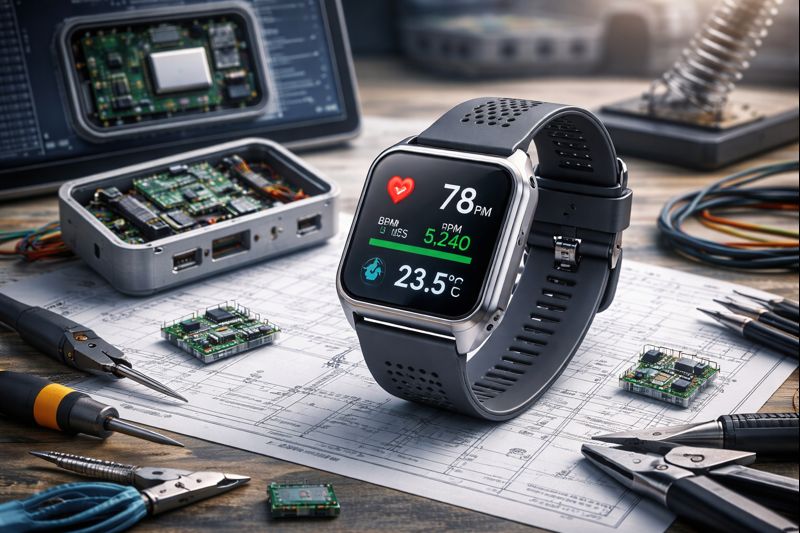
How might we design a watch-sized wearable alert device that can send simple signals or emergency alerts using buttons, LEDs, sensors, and wireless communication?
CircuitWare – Wearable Device [CLOSED]
ABOUT THE PROJECT
| In this project, you will explore how a watch-sized wearable alert device could enable simple communication in situations where pulling out a phone may not be practical.
You will design the concept for a small embedded device worn on the wrist that allows a user to trigger a signal or alert using simple hardware inputs such as buttons, LEDs, and sensors. The device will rely on a microcontroller and wireless communication (such as Bluetooth) to send alerts or signals to another device. As you develop your design, think about how the hardware components work together to create a simple, functional product that could realistically be prototyped. You should also consider how the device would be used in real-world situations and what features would make it reliable and easy to use. |
DESIRED OUTPUT
| Your work should result in a clear concept design for a watch-sized wearable alert device that demonstrates how the device would function and how a user would interact with it in a real-world situation.
Start with Level 1, which includes the core deliverables. Level 1 OutputsDevice ConceptDesign a concept for a watch-sized wearable alert device that allows a user to trigger a simple signal or emergency alert. Your design should include the core components needed for the device to function, such as:
Deliverables should include:
Interaction ConceptShow how a user would interact with the device. This should describe:
Deliverables should include:
Design ExplanationWrite a short design brief explaining the reasoning behind your device concept. Your explanation should describe:
Level 2 (Optional)Extend your concept by exploring additional engineering considerations. Examples could include:
The goal is to explore how your concept could evolve toward a more advanced wearable device. |
RESOURCES, TOOLS, & OTHER INFORMATION
|
ABOUT THE ORGANIZATION
| CircuitWare Inc. is a technology company that helps businesses design and build electronic products. The team works with clients to develop hardware devices, embedded firmware, and supporting software that bring new products to market.
CircuitWare has delivered projects across industries, including consumer electronics and connected devices. Many of these products combine sensors, microcontrollers, and wireless communication to collect and transmit real-world data. As more everyday objects become connected, companies increasingly need reliable hardware design that protects electronics while allowing the device to function effectively. |

Psychology | Nervous System Science | Mind-Body Connection | Experience Design
How might we design a simple, accessible experience that helps people understand how stress shows up in the body and apply practical techniques to manage it?
 Somatic Swell Counselling [CLOSED]
ABOUT THE PROJECT
Somatic approaches to healing are grounded in the understanding that trauma and chronic stress live not just in thoughts, but in the body and nervous system. For many adults, this way of working is unfamiliar. They may feel curious, but unsure about what somatic therapy involves, how it differs from talk therapy, or whether it is appropriate for them.
Somatic Swell Counselling wants to help people safely explore these ideas before beginning therapy. This project focuses on nervous system education, body awareness, and gentle self-exploration through somatic concepts. The goal is not treatment or diagnosis, but to help individuals build understanding, language, and curiosity around how somatic techniques work and when they may be helpful.
In this project, you will research somatic experiencing and related approaches, then translate what you learn into an accessible, ethical introduction for adults who have experienced trauma. You will think carefully about boundaries, consent, and clarity, and design an experience that helps users engage with somatic ideas in a safe, supportive way. By making somatic concepts easier to understand and experience, this work also supports Somatic Swell Counselling in connecting with people who may choose to continue their healing journey with professional support.
DESIRED OUTPUT
| Your task is to design a clear, accessible introduction to somatic therapy that helps people understand how it works and try simple techniques for themselves.
The goal is to create something practical, safe, and engaging for someone new to this approach. Note: Start with Level 1. These are the core deliverables.
Level 1 (Core)1. Somatic Foundations (Concise)Create a clear, student-friendly explanation of:
Keep this concise and focused on clarity. 2. Intro Experience DesignDesign a clear concept for an introductory experience. Define:
3. Guided Experience & User FlowDesign a simple, structured experience that users would go through. Your work should include:
This can be presented as:
The goal is to clearly show how the experience works in practice. 4. Ethics & BoundariesClearly explain:
Keep this simple and accessible.
Level 2 (Optional)Prototype or Content SampleBring part of your experience to life. You may choose to:
The goal is to demonstrate how your experience would feel to a real user. |
RESOURCES, TOOLS, & OTHER INFORMATION
|
ABOUT THE ORGANIZATION
| Somatic Swell Counselling is a Canadian counselling practice focused on supporting adults who have experienced trauma, chronic stress, or emotional overwhelm. The practice was previously known as Mind Ahead Counselling and has recently rebranded to reflect a more focused, body-based approach to healing.
The founder is trained in somatic-based approaches and is currently deepening her practice through Somatic Experiencing education. This work emphasizes nervous system awareness and regulation, helping clients understand how trauma and stress show up in the body. Somatic Swell Counselling aims to make these ideas more accessible to people who are curious about somatic therapy but unsure where to begin. |

Physiotherapy | Behaviour Change | Rehabilitation | Health Research
Why do patients struggle to consistently perform rehabilitation exercises, and how might physiotherapy programs improve adherence?
 Maternix [CLOSED]
ABOUT THE PROJECT
| Pelvic floor physiotherapy programs often include exercises that patients are expected to complete independently between appointments. These exercises are important for recovery, but many patients struggle to complete them consistently.
Some forget to do them. Others lose motivation, feel unsure whether they are doing the exercises correctly, or stop when progress feels slow or unclear. Pelvic floor rehabilitation can also be difficult because symptoms may feel embarrassing to discuss, exercises can be hard to visualize, and improvements may take time to notice. In this project, you will step into the role of a health researcher exploring why patients do or do not follow pelvic floor physiotherapy exercise programs. Your goal is to analyze the behavioural, psychological, and practical factors that influence adherence and recommend strategies that could help programs like Maternix support patients more effectively throughout recovery. |
DESIRED OUTPUT
| Your task is to investigate why patients struggle to consistently perform pelvic floor physiotherapy exercises and propose ways to improve adherence.
Start with Level 1, which includes the core deliverables. Level 1 OutputsYour submission should include the following components: Pelvic Floor Rehabilitation ResearchResearch how pelvic floor physiotherapy works and why exercise consistency matters for recovery. Summarize:
Explain why consistency in rehabilitation exercises is important for patients’ long-term health. Patient Journey MappingOutline the typical journey of a patient beginning pelvic floor physiotherapy, from first symptoms to either maintaining or stopping their exercise program. For example:
Identify where patients are most likely to struggle with adherence and explain why. Barriers to Exercise AdherenceIdentify the most common barriers that prevent patients from completing pelvic floor physiotherapy exercises consistently. Consider factors such as:
Explain how these barriers can affect recovery and long-term patient outcomes. Strategies to Improve AdherenceRecommend 3–4 evidence-informed strategies that could help physiotherapy programs improve patient adherence. Examples might include:
Explain how each strategy could realistically help patients stay consistent with their exercises.
Level 2 (Optional)Design a patient adherence support concept that could help pelvic floor physiotherapy patients stay consistent with their rehabilitation exercises. This could include:
Explain how your concept would help patients build long-term consistency with their exercises and support better recovery outcomes. |
RESOURCES, TOOLS, & OTHER INFORMATION
|
ABOUT THE ORGANIZATION
Maternix provides specialized pelvic floor physiotherapy education for people during pregnancy and the postpartum period.
The company offers online programs designed to help individuals prevent and recover from common pelvic floor conditions such as urinary incontinence, prolapse, diastasis recti, and lower back pain. These programs aim to make pelvic health support more accessible for people who may not be able to attend in-person physiotherapy due to cost, geography, or time constraints.
By combining clinical expertise with online education, Maternix aims to help more people access preventative care and improve recovery outcomes during pregnancy and postpartum.

Consulting | Digital Innovation | Brand Systems | Growth Strategy
How might we build a system to evaluate the digital sophistication of youth-focused brands and distinguish strong execution from surface-level relevance?
 FOES [CLOSED]
ABOUT THE PROJECT
Many companies know they need to improve their digital capabilities. They want stronger websites, smarter social media, better customer journeys, and more data-driven decision-making. But most businesses do not have a clear definition of what strong digital execution actually looks like. They often compare themselves to competitors who may also be behind, or assume that large budgets are the only way to compete.
At the same time, some youth-focused brands consistently execute at a high level online. Their messaging feels intentional. Their community engagement is structured. Their commerce flows are seamless. Their digital presence is not just polished, it is coordinated and measurable.
In this project, you will help Foes reverse-engineer what strong digital execution actually looks like. Your goal is to design a structured framework that evaluates digital sophistication in a clear, repeatable way, and then apply it to real brands to uncover patterns, strengths, and weaknesses.
DESIRED OUTPUT
| Your task is to create a Digital Brand Evaluation Framework and Insight Report that helps Foes assess how digitally sophisticated a youth-focused brand really is.
You will design a clear system for evaluating brands and apply it to real companies to uncover what separates strong digital operators from surface-level execution. Note: Start with Level 1. These are the core deliverables. Level 2 is optional.
Level 1 (Core)1. Digital Brand Evaluation FrameworkDesign a framework that evaluates brands across 5 clear dimensions (e.g., brand experience, community engagement, commerce, data, cultural relevance). For each dimension, include:
Your framework should be clear and repeatable. 2. Brand Application & InsightChoose 3 youth-relevant brands and evaluate them using your framework. For each brand:
Then summarize:
3. Targeted Improvement PlanChoose one of the brands and propose 2–3 specific improvements that would meaningfully improve its performance. For each recommendation:
Focus on practical, high-impact ideas rather than broad suggestions.
Level 2 (Optional)Take your improvement ideas further by creating a simple mockup, wireframe, or example (e.g., landing page, content flow, campaign idea) The goal is to move from insight to execution. |
RESOURCES, TOOLS, & OTHER INFORMATION
You do not need to use all of these. These are starting points.
|
ABOUT THE ORGANIZATION
We’re Foes.
We help businesses run better by fixing what’s broken or outdated.
Sometimes that means rebuilding their marketing campaigns. Other times it’s improving how their sales team works, setting up new software systems, or building reports so company leaders can see what’s actually happening in their business.
Our clients are usually growing companies that have good ideas but struggle to execute them. Or they’ve hit a wall and can’t figure out what’s stopping them from getting bigger.
We don’t just give advice and leave.
We work side-by-side with their teams for a year or more, and we measure everything against real outcomes like revenue growth and cost savings.

Market Prioritization | Clinical Innovation | Health Systems | Care Delivery Strategy
How might we identify where nerve injury creates the greatest clinical and economic burden so NerView can focus on the procedures and regions that drive the most impact?
NERVIEW SURGICAL – GEO [CLOSED]
ABOUT THE PROJECT
Accidental nerve injury is a known risk across many types of surgery, but the risk and impact are not evenly distributed. Some procedures are performed at very high volume, some carry a higher nerve injury risk, and some lead to significant downstream consequences when injuries occur.
For an early-stage medical technology company, understanding where these factors overlap is critical. NerView does not need perfect data on everything. It needs a clear, evidence-based starting point that helps the team decide where NerveSense could make the biggest difference early on.
In this project, you will analyze public healthcare data to identify which procedures combine meaningful nerve injury risk with high case volume, and where those procedures are most concentrated geographically. You are not expected to have medical training. Your role is to analyze patterns, assess impact, and turn evidence into clear recommendations that support real healthcare decision-making.
DESIRED OUTPUT
| Your task is to create a research-backed report that helps NerView prioritize early focus areas based on nerve injury burden.
You will identify where procedure volume, risk, and impact overlap, and translate that into clear, actionable recommendations. Note: Start with Level 1. These are the core deliverables.
Level 1 (Core)Your work should include: 1. Procedure & Risk IdentificationIdentify surgical procedures or specialties that combine:
Focus on North America and clearly state any assumptions. 2. Impact AssessmentEstimate the overall burden of nerve injury for selected procedures. Your analysis should include:
Use public data and clearly explain how you arrived at your estimates. 3. Geographic ConcentrationIdentify the specific regions where these procedures are most commonly performed across North America. Highlight the regions where both volume and risk are concentrated. 4. Burden VisualizationCreate a clear visual that shows where nerve injury creates the greatest overall burden. Your visualization should combine:
This could take the form of:
The goal is to make your insights easy to understand and compare at a glance.
Level 2 (Optional)Prioritization & Recommendation LayerBuild on your analysis by identifying where NerView should focus first. Your work should include:
The goal is to move from insight to decision. |
RESOURCES, TOOLS, & OTHER INFORMATION
- Website
- CMS Medicare Provider Utilization Data (U.S.)
- HCUP (Healthcare Cost and Utilization Project)
- PubMed
- Canadian Institute for Health Information (CIHI)
- StatsCan
ABOUT THE ORGANIZATION
NerView is an early-stage medical technology company building NerveSense, a non-invasive system designed to help surgeons visualize nerves during procedures. The goal is to reduce accidental nerve injuries, which can lead to chronic pain, loss of function, and the need for additional treatment for patients.
By giving surgeons better information during procedures, NerView aims to improve patient outcomes while also helping hospitals and clinics reduce complications, follow-up care, and legal and operational risk.
Common Questions
If you have 20 coaching hours or more, you may register for more than one internship experience, but you must complete the first before you start the second.
These aren’t small projects and require guidance, analysis, and effort to present a valuable solution to the organization.
A Q&A Webinar will be held if more than one student has significant questions that need to be clarified with the organization.
A Final Presentation will be scheduled with the student at the end of the internship experience to deliver the final output.
Please contact help@youthfully.ca with any questions about the program.
Please decide which internship you would like to do with your coach click the big green button to register.
If you are not a Youthfully student, please apply for the internship experience program by going to app.youthfully.com/getstarted